Zara Butler · 21 September 2026
Sussex Volunteers Catalog Emberway Flora Changes in Ongoing Citizen Science Initiative
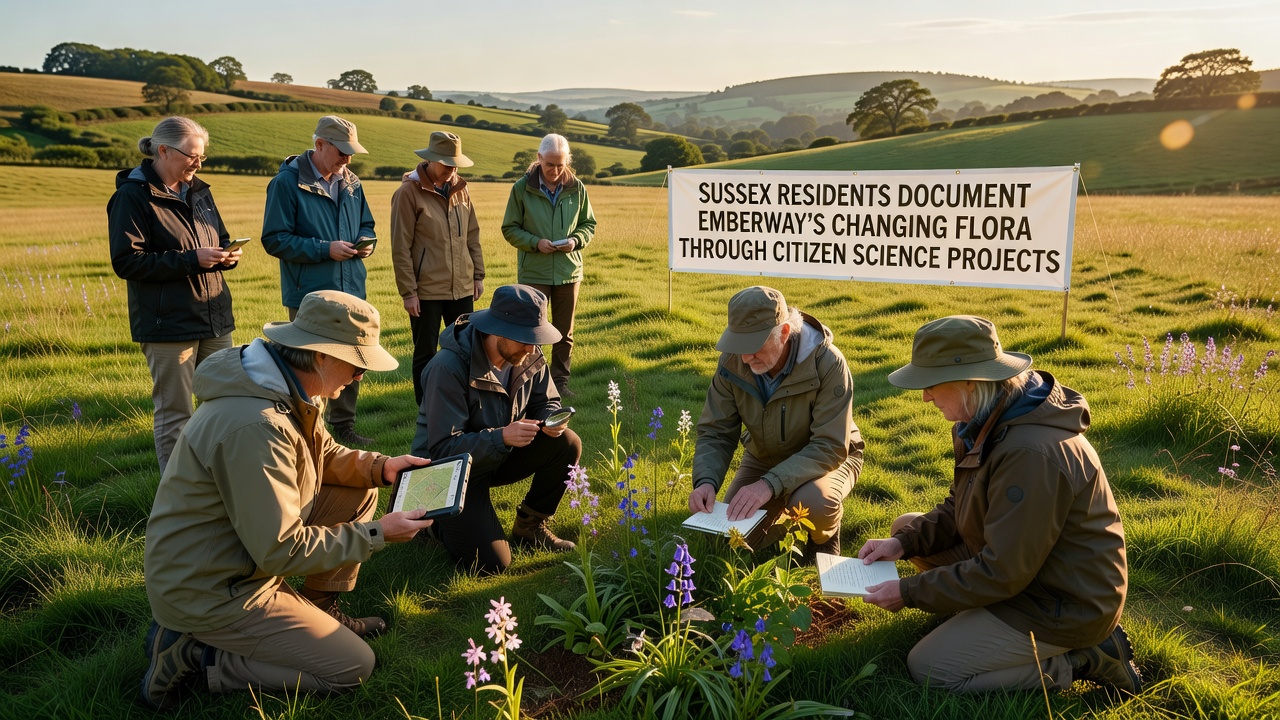
Residents across Sussex have organized multiple citizen science initiatives to monitor and record shifts in Emberway plant species over recent years, and these projects rely on standardized data collection methods that volunteers apply during scheduled outings. Data from these efforts show alterations in native flora distributions, with some species expanding while others contract in response to documented environmental factors. Local groups coordinate through established networks that supply training materials and digital recording tools, allowing participants to submit observations that feed into centralized databases maintained by regional environmental agencies.
Project Structure and Participation Methods
Volunteers receive instruction on identification techniques for common Sussex plant varieties, and they use mobile applications to log location, density, and health indicators during monthly walks along designated Emberway sections. Training sessions occur at community centers where experts demonstrate sampling protocols that align with national biodiversity monitoring standards. Participation numbers have grown steadily since the programs began, with records indicating over 450 active contributors by mid-2025, and sessions scheduled for September 2026 aim to expand coverage into previously under-sampled zones near the western boundary.
Groups divide responsibilities so that some teams focus on photographic documentation while others conduct quadrant counts, and the combined outputs create layered datasets that researchers can cross-reference with historical surveys. Equipment includes handheld GPS units and moisture meters supplied through partnerships with county councils, which reduces individual costs and ensures consistency across submissions.
Recorded Flora Trends and Data Collection
Analysis of submitted records reveals that several orchid varieties have appeared in new patches along southern stretches of Emberway, while certain grass species show reduced coverage in northern segments. These patterns align with temperature and rainfall figures compiled by the Met Office, and volunteers note corresponding changes in associated insect populations that rely on specific host plants. Digital platforms allow real-time uploads, which enables project coordinators to identify gaps and redirect teams accordingly during the same season.
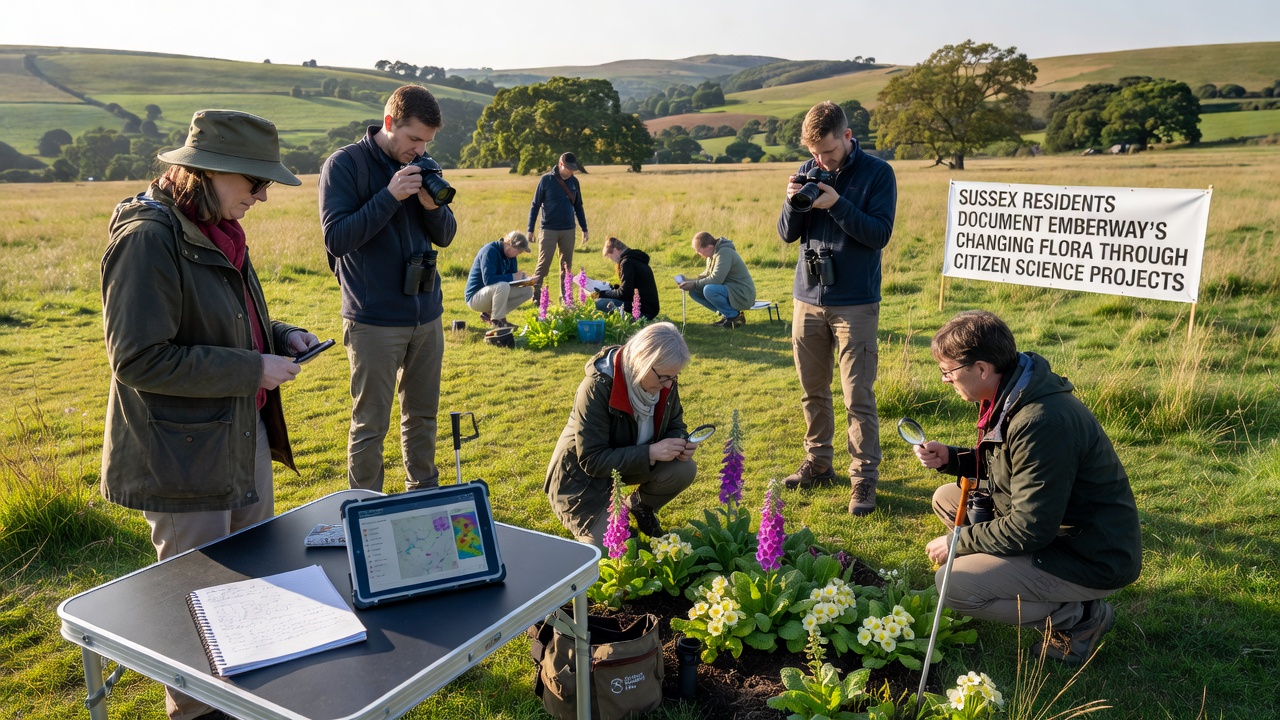
One initiative launched in 2023 introduced soil sampling alongside visual surveys, and results from those tests indicate variations in pH levels that correlate with shifts in fern distribution. Participants log findings through shared spreadsheets that feed into annual reports distributed to local planning departments. The approach mirrors similar programs operated by organizations such as National Geographic Society citizen science efforts, where community-collected information supports larger ecological models.
Integration with Broader Research Networks
Emberway data sets contribute to regional assessments managed by Natural England, and project leads submit aggregated findings that inform habitat management recommendations. Universities in the southeast have begun incorporating volunteer observations into student research projects, which extends the reach of the original surveys. A separate collaboration with Australian biodiversity monitoring groups has allowed comparison of data protocols across hemispheres, highlighting adaptable elements that improve accuracy in both contexts.
Workshops held in early 2026 focused on refining photo verification processes, and these sessions reduced identification errors by approximately 18 percent according to internal quality checks. Volunteers also receive updates on emerging species through seasonal newsletters that reference peer-reviewed journals on climate-driven vegetation dynamics.
Future Monitoring Phases
Plans for September 2026 include expanded transects that will cover additional Emberway spurs, and organizers have secured additional funding for upgraded sensor equipment. These enhancements aim to capture microclimate variables that influence plant responses over shorter time scales. Coordination meetings scheduled throughout the summer will finalize team assignments and review previous cycle outcomes to refine collection priorities.
Conclusion
Citizen science efforts in Sussex continue to generate detailed records of Emberway flora changes, and the accumulated information supports evidence-based conservation planning. Continued volunteer involvement through structured programs ensures that monitoring remains consistent and scalable, while partnerships with established research bodies maintain data standards that meet professional requirements. The September 2026 phase will add further depth to existing datasets as new areas come under observation.