Bianca Lang · 2 November 2026
Sussex Artisans Restore Emberway Craft Traditions with Foraged Woodland Dyes and Fibers
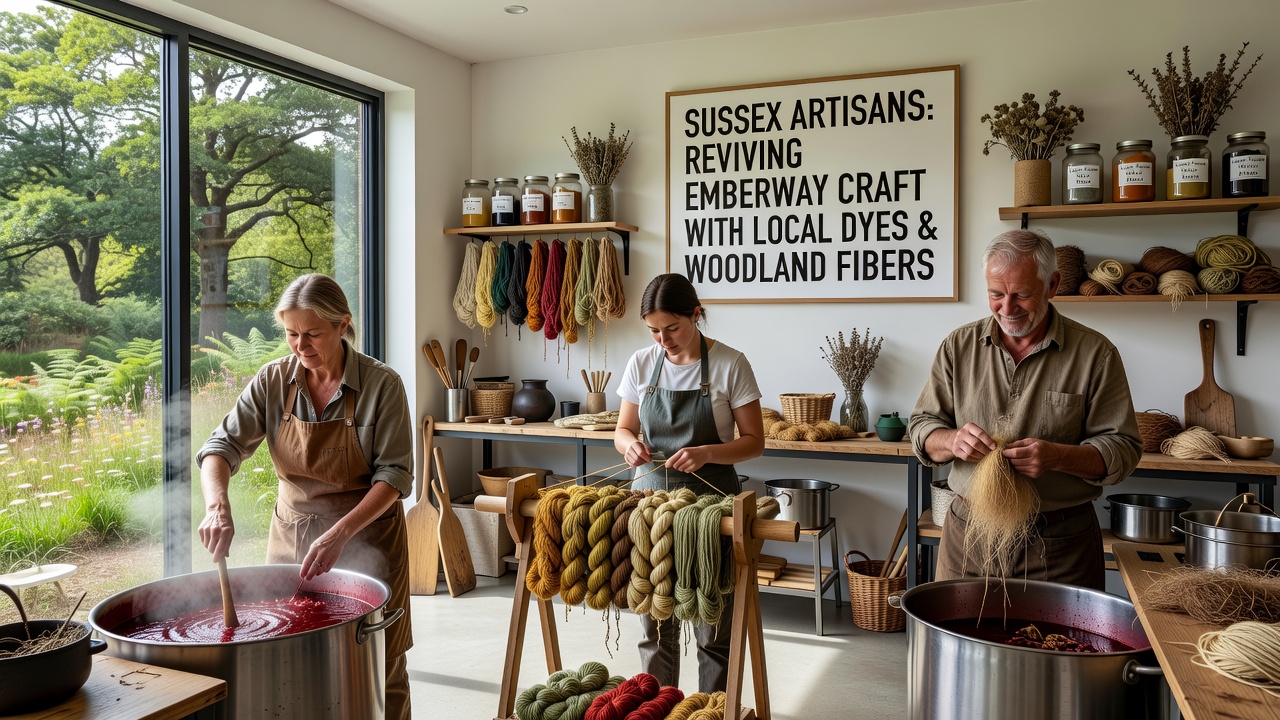
Artisans across Sussex continue to restore craft methods tied to Emberway pathways through the collection of natural dyes and fibers from surrounding woodlands, where groups gather materials such as weld, walnut hulls, and nettle stems during seasonal forays that align with documented growth cycles in the area. These practices draw on records of nineteenth-century trade routes embedded in the terrain, allowing practitioners to replicate historical color palettes and textile textures without reliance on imported chemicals or synthetic materials.
Techniques Rooted in Local Resources
Workshops held throughout the county demonstrate extraction processes that begin with solar dyeing in glass vessels, where foraged plant matter releases pigments over several weeks, followed by mordanting steps using alum sourced from regional suppliers. Fibers harvested from adjacent woodlands undergo retting in controlled water baths, a method that separates usable strands from nettle and bramble while preserving structural integrity for weaving and knitting projects. Data from ongoing monitoring programs shows that these techniques maintain fiber strength comparable to commercial alternatives, with tensile tests conducted by independent labs confirming durability under repeated washing cycles.
Observers note that the revival incorporates variations based on seasonal availability, so summer collections yield brighter yellows from coreopsis while autumn harvests produce deeper browns from oak galls, creating a rotating inventory that reflects woodland biodiversity patterns recorded in Sussex archives. Artisans coordinate with landowners to ensure harvesting remains within sustainable limits, following guidelines established by forestry authorities that limit collection volumes per hectare.
Community Workshops and Skill Sharing
Local collectives organize monthly gatherings where experienced dyers teach newcomers the identification of dye plants along Emberway-adjacent trails, using field guides that cross-reference botanical surveys completed in the early twentieth century. Participants process fibers on-site using portable vats, then return finished yarns to communal looms for collaborative projects such as tapestries that map Emberway routes through color-coded segments. Records maintained by these groups indicate participation rates have risen steadily since 2022, with sessions now drawing attendees from neighboring counties.
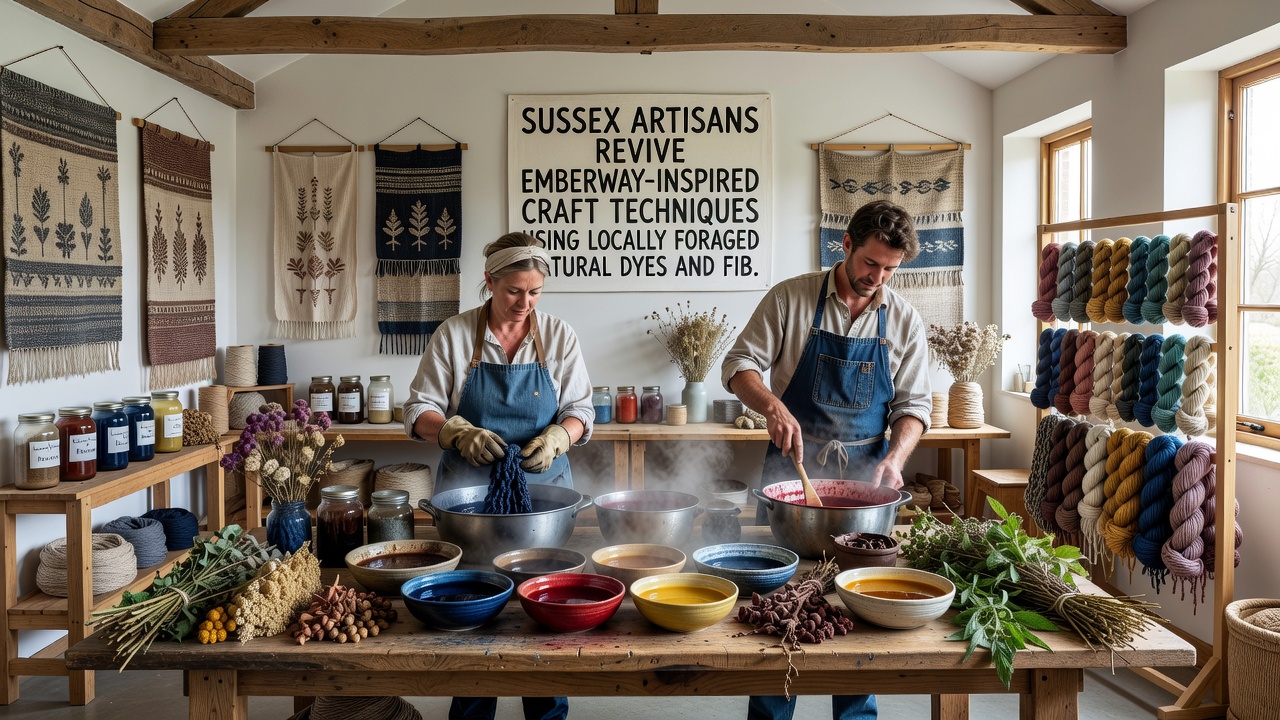
Exhibitions scheduled for November 2026 will display finished pieces alongside documentation of the foraging sites, providing visitors with maps that highlight access points while emphasizing conservation measures already in place. These events build on earlier displays that catalogued changes in flora composition, allowing the public to compare historical samples with current yields.
Integration with Broader Research Efforts
Researchers from institutions including the University of British Columbia have examined similar natural dye systems in temperate forests, and their findings on pigment stability under varying light conditions inform local adjustments to dyeing times and storage methods. A separate analysis published by the Australian National University on fiber extraction from understory plants offers comparative data that Sussex groups reference when testing new woodland species for compatibility with existing looms. These cross-referenced studies support the documentation of colorfastness results achieved through repeated trial batches.
Archival materials from merchant records further illuminate how nineteenth-century traders moved dyed textiles along Emberway corridors, supplying context that contemporary artisans use to authenticate their reproductions. Coordination with digitization projects ensures that new findings from field collections integrate with preserved ledgers, creating a growing database accessible to both craftspeople and historians.
Conclusion
The ongoing work by Sussex artisans demonstrates measurable connections between Emberway heritage and current woodland management practices, with material sourcing protocols that align with established conservation standards and skill-transfer programs that expand participation across generations. Continued monitoring through citizen science initiatives will track the long-term viability of these methods as woodland conditions evolve.