Bianca Schröder · 5 October 2026
Emberway Dialect Preservation Project Advances Through Sussex Archival Digitization Initiative
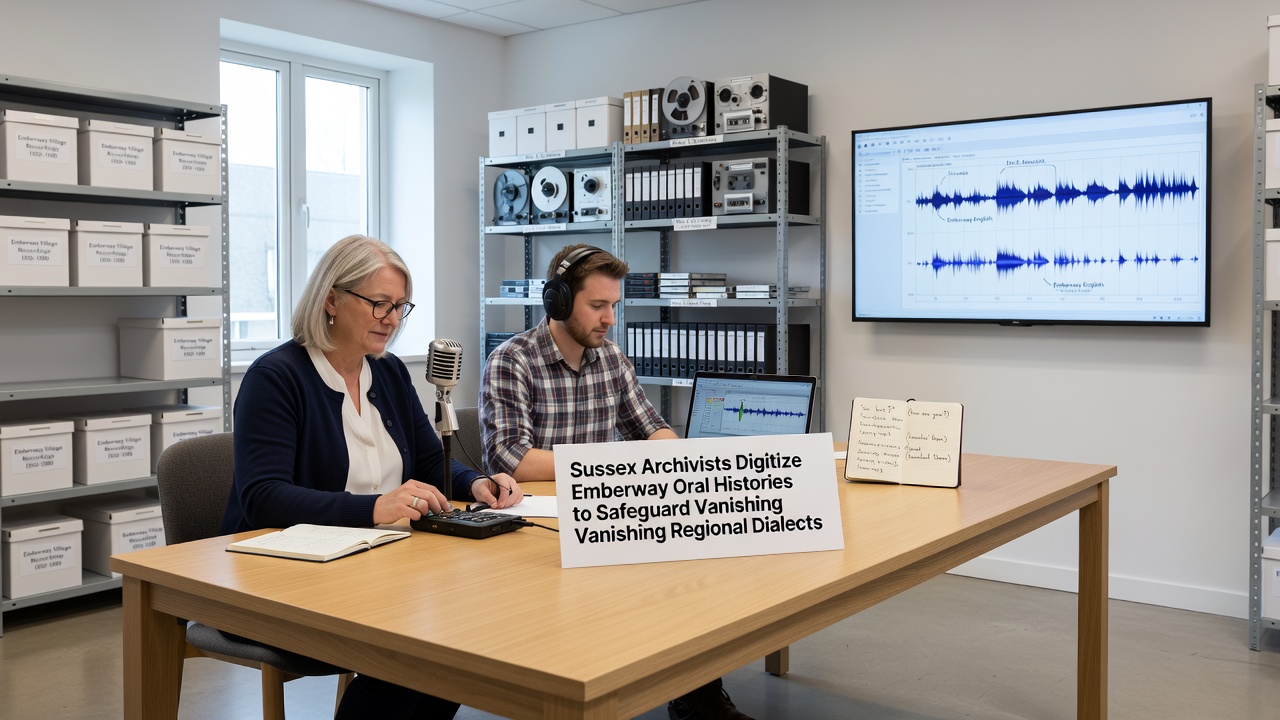
Archivists based in Sussex have begun a systematic effort to convert Emberway oral histories into digital formats, and the work focuses on protecting regional dialects that show signs of decline across rural communities. The project draws from collections of recorded interviews, stories, and conversations gathered over several decades, with the goal of creating accessible archives that researchers and local residents can consult in the future. Data from similar language preservation programs indicate that digital conversion helps maintain phonetic details and vocabulary patterns that printed transcripts often miss, according to findings published by the British Academy.
Origins of the Emberway Collections
Emberway oral histories trace back to fieldwork conducted in the mid-twentieth century, when local historians first captured conversations in Sussex villages along historic pathways. Those recordings document speech patterns distinctive to the area, including unique vowel shifts and agricultural terminology that reflect the region's farming heritage. Observers note that many of the original speakers came from families with multi-generational ties to the land, and their accounts cover topics such as seasonal work, local customs, and changes in the landscape. The collections now reside in climate-controlled storage at county facilities, where staff members have catalogued hundreds of hours of material.
Researchers discovered during preliminary audits that analog media face gradual degradation from humidity and age-related chemical breakdown, which is why the current digitization push gained urgency. Teams began the transfer process in early 2025, and they expect to finish the initial phase by October 2026. This timeline aligns with broader UK efforts to secure intangible cultural assets before further erosion occurs.
Technical Steps in the Digitization Workflow
Archivists follow standardized protocols when handling the Emberway tapes and discs. First they assess each item for physical condition, then they transfer audio through high-resolution equipment that captures frequencies up to 96 kilohertz. Metadata entries record speaker names where available, recording dates, and geographic references so that future users can cross-reference content with maps and census records. Quality control checks occur at multiple stages, and any anomalies such as background noise or tape stretch receive separate documentation.
Once files move into digital repositories, they undergo format migration planning to guard against obsolescence of current file types. Studies conducted by the University of Alberta on long-term audio preservation show that regular migration cycles extend usability of heritage recordings by decades. Sussex teams incorporate those recommendations into their procedures, and they maintain redundant backups across geographically separated servers.
Role of Regional Dialects in Cultural Documentation
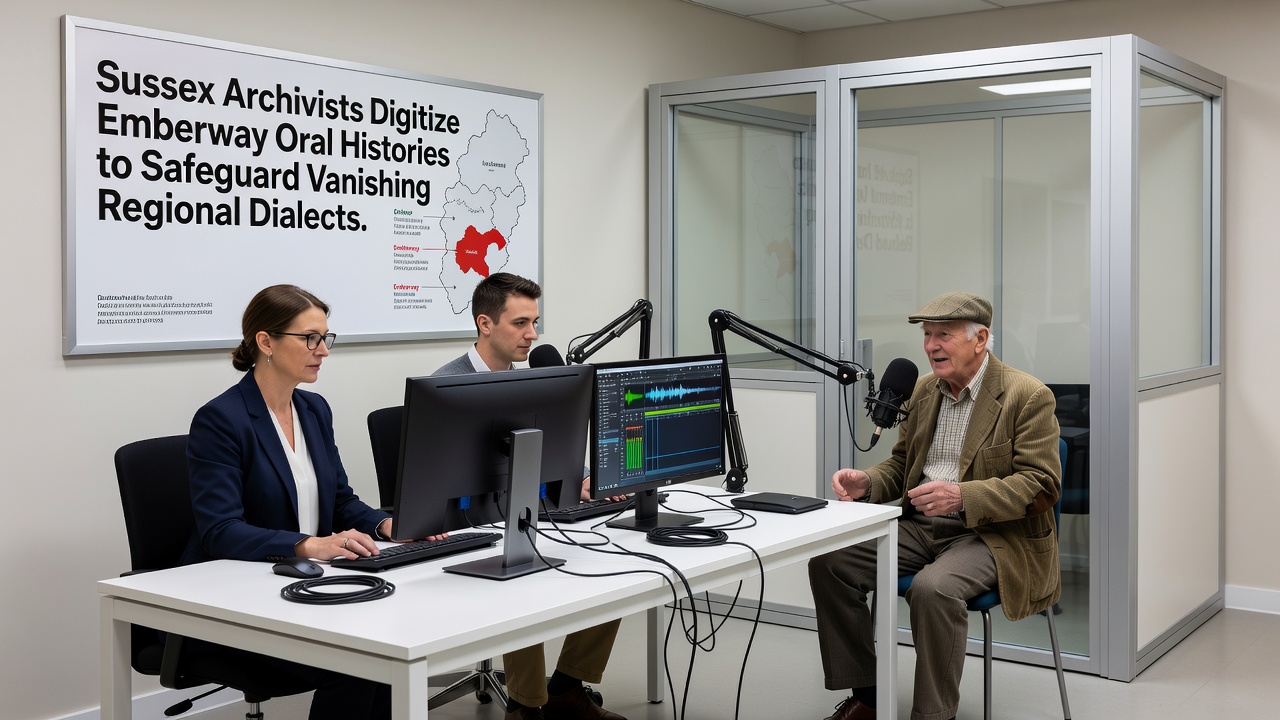
Emberway speech contains lexical items and grammatical constructions that differ from standard British English, and those features appear consistently in the oral histories. Linguists have mapped variations in words for tools, weather events, and community events that reveal historical trade connections with neighboring counties. Evidence from comparable projects in Canada, such as those archived by the Canadian Museum of History, demonstrates that digitized dialect materials support educational programs aimed at younger generations. Sussex archivists plan to release selected clips under open licenses once metadata verification concludes, which will allow schools and community groups to integrate the content into local studies.
Figures released by the European Language Resources Association reveal that over 40 percent of regional European dialects face reduced transmission to new speakers within two generations, and Emberway follows that pattern. The digitization work therefore serves both preservation and research functions, supplying raw data for phonetic analysis and sociolinguistic mapping.
Community Involvement and Access Plans
Project coordinators have invited Emberway residents to review digitized segments and supply additional context or corrections to transcripts. Public listening sessions scheduled for late 2026 will introduce the archive to wider audiences, and feedback gathered during those events will shape future indexing priorities. Partnerships with nearby libraries ensure that playback stations remain available for individuals without personal computers, and staff members provide guidance on navigating the online catalogue.
Observers note that early community responses have highlighted previously undocumented phrases and place-name pronunciations, which archivists now add to the metadata layer. This iterative process strengthens the resource while maintaining accuracy across entries.
Conclusion
The Sussex digitization initiative continues to expand the Emberway oral history archive into a searchable, durable collection. Completion of the first major transfer phase by October 2026 will mark a measurable step toward safeguarding the phonetic and lexical record of the region. Ongoing collaboration between archivists, linguists, and local residents supports both immediate access and long-term study of these vanishing speech patterns.